

IT'S A SCRAPBOOK!
on creating a pile of little treasures, rather than relying on the old formula

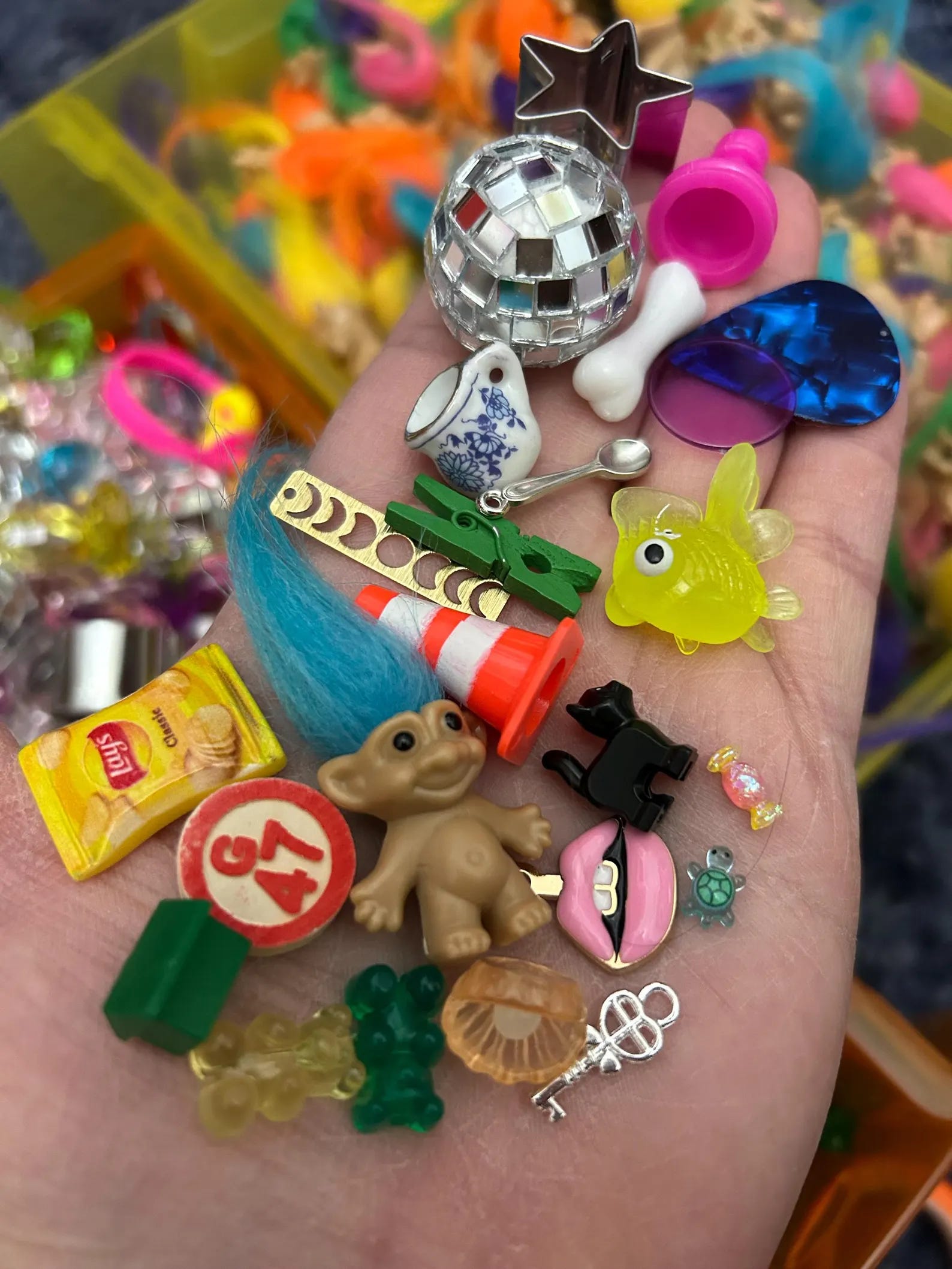
On a call last week, I was chatting with an author about many things but the two that stood out was the question: “so how do you keep relationships current with media from North Carolina and not New York” and then, “How do you sell books these days?” And I’m here to tell you that this is the same question.
For the last century of publishing, we have worked in a hierarchical industry. Friends got friends connections, agency as an apprenticeship model (which ended up being a kind of ivy & nepotism model—don’t they all?), New York Times book review as the thing to open the next set of doors, and the highest echelon of writing happened at magazines that either had New York in the name, or were headquartered by people who could name and locate the boroughs on a map. Love that for them. We crossed the Brooklyn Bridge twice on accident last time I was there. Whoops!
But the books that have garnered us the most sales in the last year do not fit any of these molds. In fact, the highest seller (that made lists) did not get a single review in a major newspaper and was not on big NPR. There’s a kind of author that is like “toot toot! THIS OUTLET or BUST,” as if they’re driving a mustang off a cliff, and then there are authors that say, “I’ve never really thought about it, I guess I don’t have any dreams per say,” and both of those responses are unhelpful to what we’re trying to do, which is to get as many communities to buy-in to your story (poetry, novel, memoir, narrative nonfiction) as possible.
And most often, the challenge that I tempt myself with as a publicist is to access the communities that are not the echo chamber, or folks already bought into a concept, idea, mentality, value system, to come to a book with an open mind. To come to a book at all, let’s be real.
Ask yourself: how do you sell a climate change adjacent book to someone who is not sure they believe climate change exists? It’s not data. How do you get a person who has primarily read novels to pick up a poetry collection? It’s not form. How do you get “nones” to pick up a memoir of a person processing the middle of deconstruction but not at the burn it down stage? It’s not religion.
We (talking about publishing as a mass) spend a lot (A LOT) of time pitching people who would find the book anyway. Pitching the bought-in. Pitching the interest-aligned. Pitching the folks who already care. But that’s only the first wave. Of course, we’re pitching those people, but the second phase is so much more interesting—who then do they tell about the book and how do you strategize for that? In a world where community in and of itself is fractured, how do you find readers in that second wave?
Well, for starters, you stop relying on the ol’ sure thing. And for seconds, it’s creating story. You just wrote a whole dang book, and you think you can’t create a STORY about it? It’s story every single time. Determining how to tell it to who you’re speaking to exactly is the thing. I use the phrase angles a lot, but really, framing is probably better. Where does the story start for each audience—what’s the in, and where are you taking them? You can sell a book to anyone (I have to believe this or I have to quit my job), but it’s figuring out the needs of each audience and community, and what story they need it filtered through that gets traction.
Forget the hierachy! Pull the wigs off!
Do I love that media is crashing and burning at the moment? I do not. It sickens me. Journalists are wildly important to a functioning society. I believe in vetting, fact checking, rigorous research, peer reviews, the whole thing! But there is something happening that is fluid and helpful in democratizing the old game of publicity, and that’s that the playing field is more horizontal than vertical. It’s no longer a top-down checklist. Get this review, this interview, and this book club and you’ll sell thousands of copies doesn’t really exist in the same way it did even ten years ago.
So, my connections to media are less important than say—my ability to tell a good story about a book, to create an atmosphere around a book, to understand what conversation should be created and what could get us there (or worse, inserting an author into a conversation that’s already happening which takes a lot longer tbh). I also think the review, interview, book club pipeline was made for a predictable sort of book, and probably still works for them: serious nonfiction, upmarket book club. Independent and small presses have always had to be more scrappy, less they simply believe they only get the scraps. (I cannot believe that either or I’d have to quit my job).
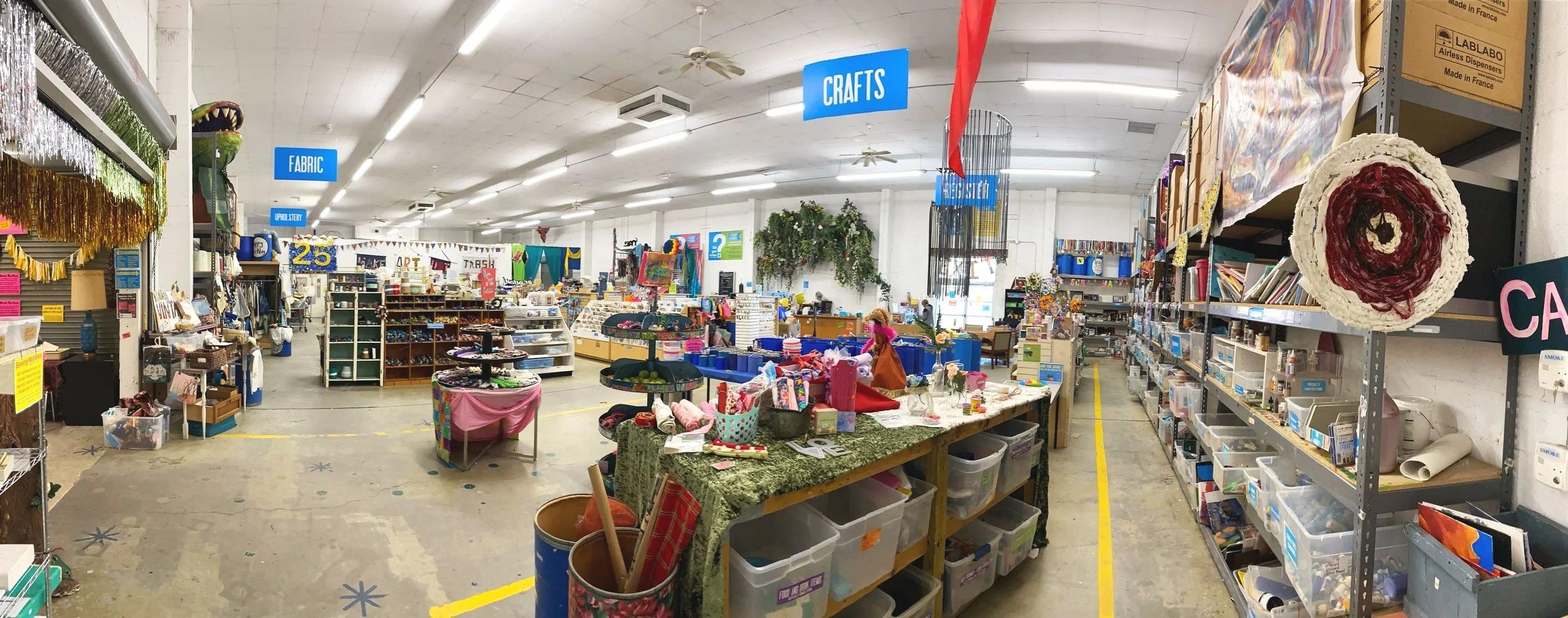
So, we revel in the scraps then, hey? What does that look like, and how do you build the scrapbook? It looks more like a collage than a still life, that’s for sure. It also steers people clear (mustang still off the cliff) of the comparison game. If you’re not vying for one of six poetry spots a month at Publishers Weekly—what does that open you up to? What can you put in that space that will affirm your work, not validate it to an audience of who and what?
I’m going to go out on a limb and hypothesize that a critic who recently got laid off at a big newspaper book section and moved to Substack gets more pitches for books for his Substack than he ever did at the big newspaper. I could ask him, but his inbox is probably taking a deep breath. It’s because he’s more visible, he’s more accessible, he’s not behind a venue, he’s simply (and thankfully) himself. He’s no longer known just by industry folks but suddenly his relationships are directly with readers, writers, moms and pops, and the link between is not paywalled, and is not bylined.
We need these spaces and institutions and trustworthy outlets, we do, we do, we do, I’m not saying their loss is helping us. But when all the book sections end, where do you go? People will still write. Books are still cultural objects. Do I think this answer is a subsection of influencer culture? I do. But I also think these markers of success are for someone else: to “earn out” in the face of someone else’s expectations (society? masses? your mom?) than what you might say you really want for your work.
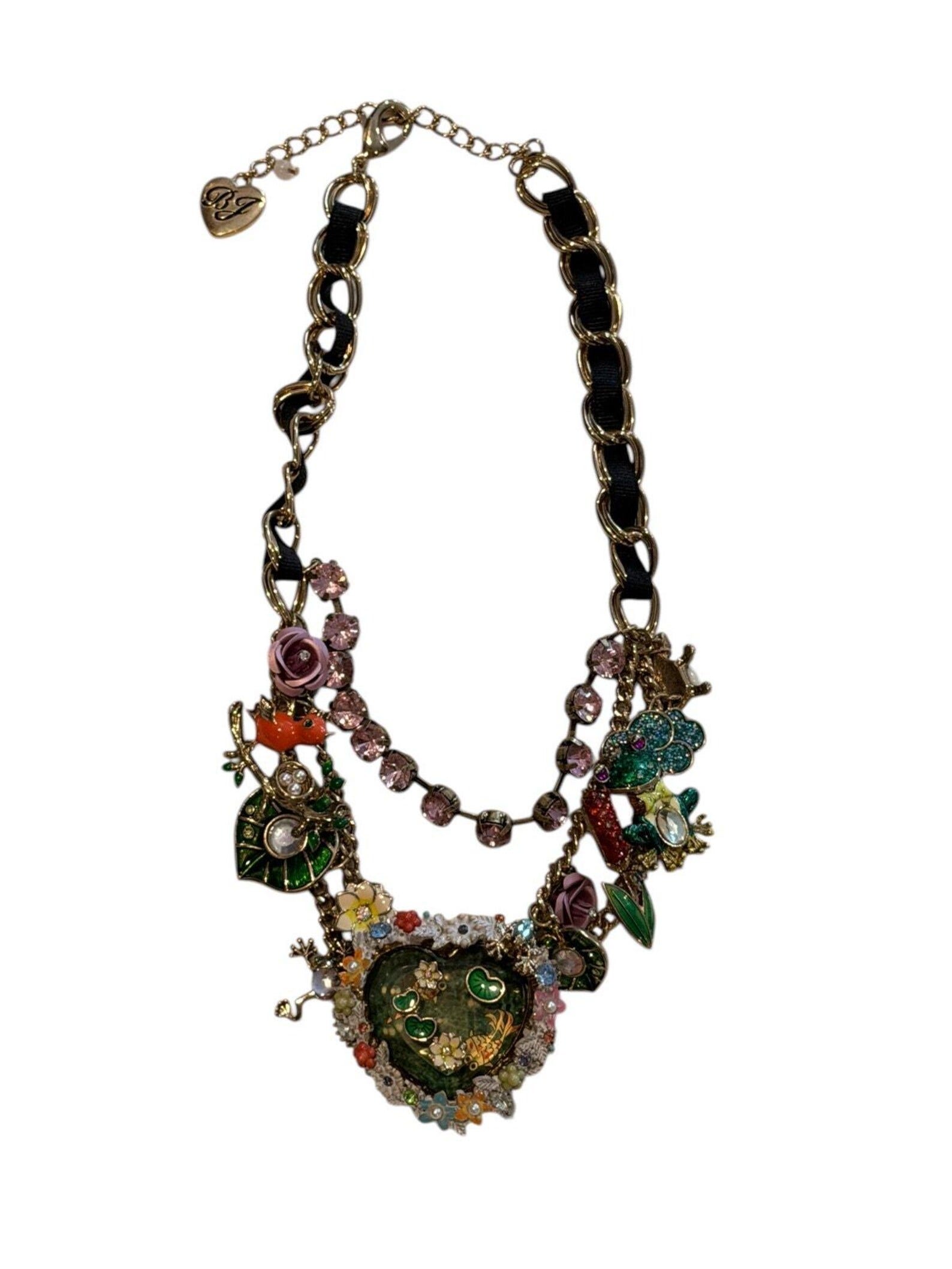
For that writer I spoke to earlier this week, all of this is also an answer to my lack of media luncheons (I do occasionally attend these virtually if I’m interested in the speaker), my mileage from New York City, and the actual publicity that I’m seeing move books. It is no longer a thing of hierarchical beauty, but a breadth of exposure. It is no longer one thing, it is fruit roll up of things. Or those Betsy Johnson necklaces I still love—where do you look first? Am I talking about a “Whole Kitchen Sink” campaign? I am. Which takes A LOT longer. Which does NOT END on PUB DATE. Which is NITTY GRITTY and not broad-stroked. Personal. Local. Specialized. Targeted.
Of course I want to land an indie book in the “Briefly Noted” section of the New Yorker every time, and also I know that if an author says no to every small podcast, we will have failed a community that could have been the doorway to something bigger than literati. It’s a “yes, and” mentality, not a, “it’s only successful if this happens” one. You sell books like the man who stands on the street corner in cartoons with a coat full of whatchamagots and whosacahoots—by finding all the little pockets and climbing in. The question on everyone’s mind should be WHAT MORE can we find and WHO ELSE can we convince? What are we leaving out because we are putting all our concentration over there? If you’re going to have a basket of eggs, have many.
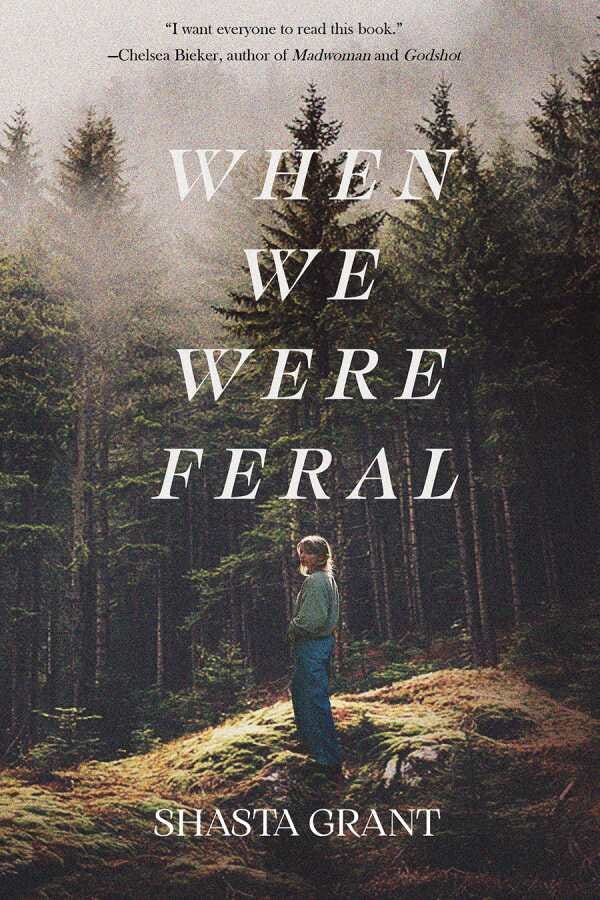
Shasta Grant and Chloe Yelena Miller have always been so good to me with their very cool community at Brown Bag Lit, and Shasta has a debut novel out! Imagine the many blistering tensions of adolescence and then crank up that dial, and you’ll have: When We Were Feral. There’s this scene at a mid-lake dock in the first third of the book that I have thought about a lot since reading, about how we exactly learn to abandon each other, and all those tiny, paper cut abandonments that lead to pivotal circumstances.
As always, the Pine State calendar of events lives here (which I need to update), and you can buy our books here! You can also see what we’re working on and contact us through our website, Pinestatepublicity.com.
J Brooke’s I CAN TELL YOU THE VERSION THAT WILL MAKE YOU TAKE MY SIDE is excerpted in McSweeney’s, Lena Moses-Schmitt and Lisa Russ Spaar have a conversation in Blackbird, Hyperallergic recommends Sara Minor’s CAROUSEL, Kristen Martin reviews Candice Wuehle ULTRANATURAL for New Republic, Berkeley News features Hasan Dudar and CARRYOUT, Spencer George brings Nancy Lemann back to the south for Salvation South, Mary Ardery is on The Slowdown with a poem from LEVEL WATCH and so is Arielle Herbert with a poem from BOTTOM FEEDERS, Tom Sleigh is on WBUR’S Up Next speaking (and singing!) to Lisa Mullins about ROSIE: A MEMOIR OF FAREWELL, Erica Stern is interviewed in AGNI about FRONTIER A MEMOIR AND A GHOST STORY, and so much more on Twitter, Bluesky, & Instagram.
As always, love your energy, enthusiasm, and smarts! Also, love that necklace!!
The thing I love about this approach so much is how accessible it feels. (If also how totally exhausting.) A while ago, I started a doc with all the podcasts/newsletters I run into related to themes in the memoir I'm working on so I could potentially pitch them one day, and it got long fast. It's comforting to have!